A Religion of Peace
ISLAM
The word ‘Islam’ literally means ‘Peace and surrender to the will of Allah the Creator’.
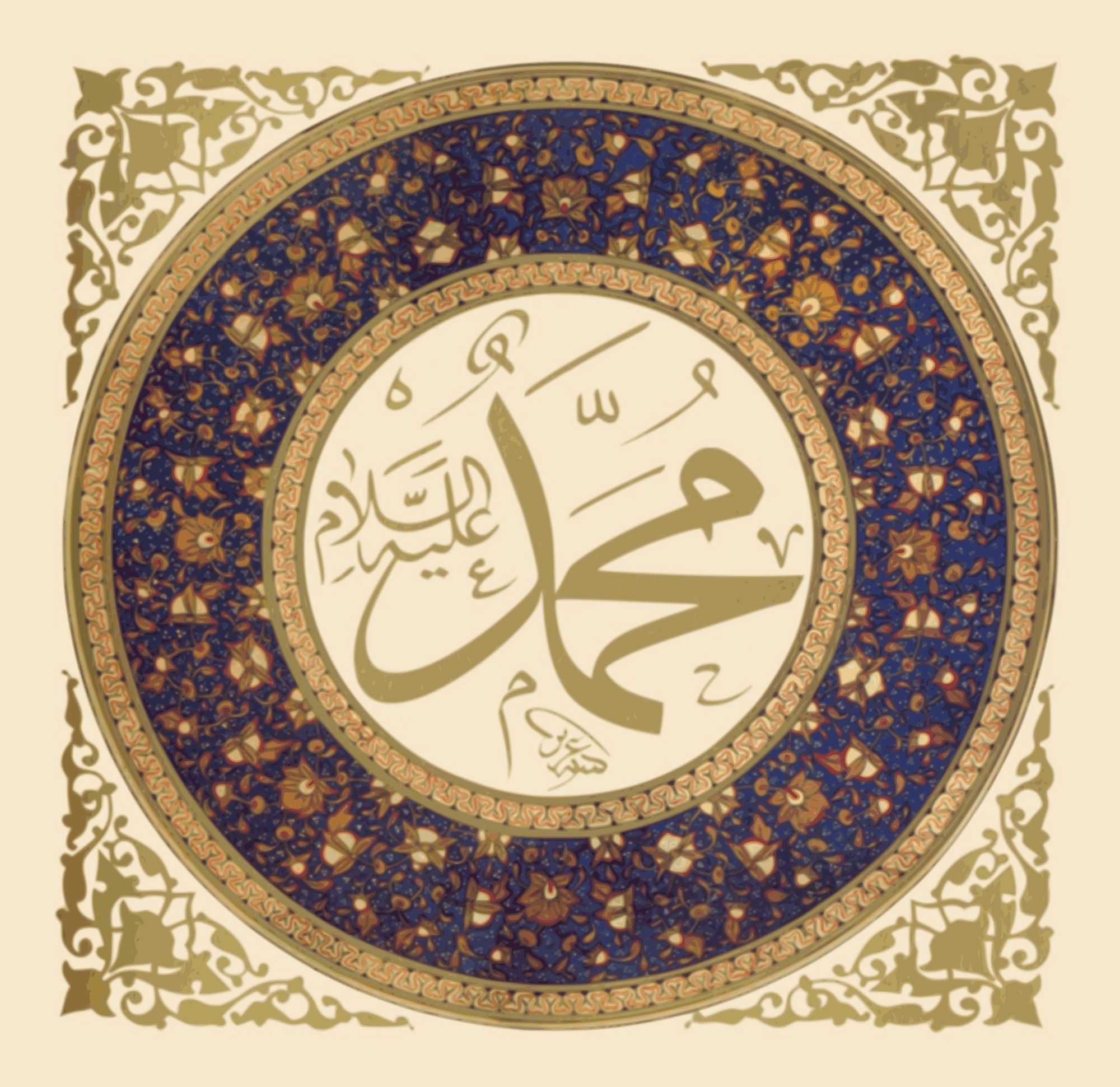
It was founded by Prophet Muhammad (peace and blessings be upon him) over 1400 years ago in Arabia. Prophet Muhammad (peace and blessings be upon him) received revelation from Allah (‘The God’) in which he was told that Islam was the final and most complete religion for mankind. The followers of Islam are called Muslims.
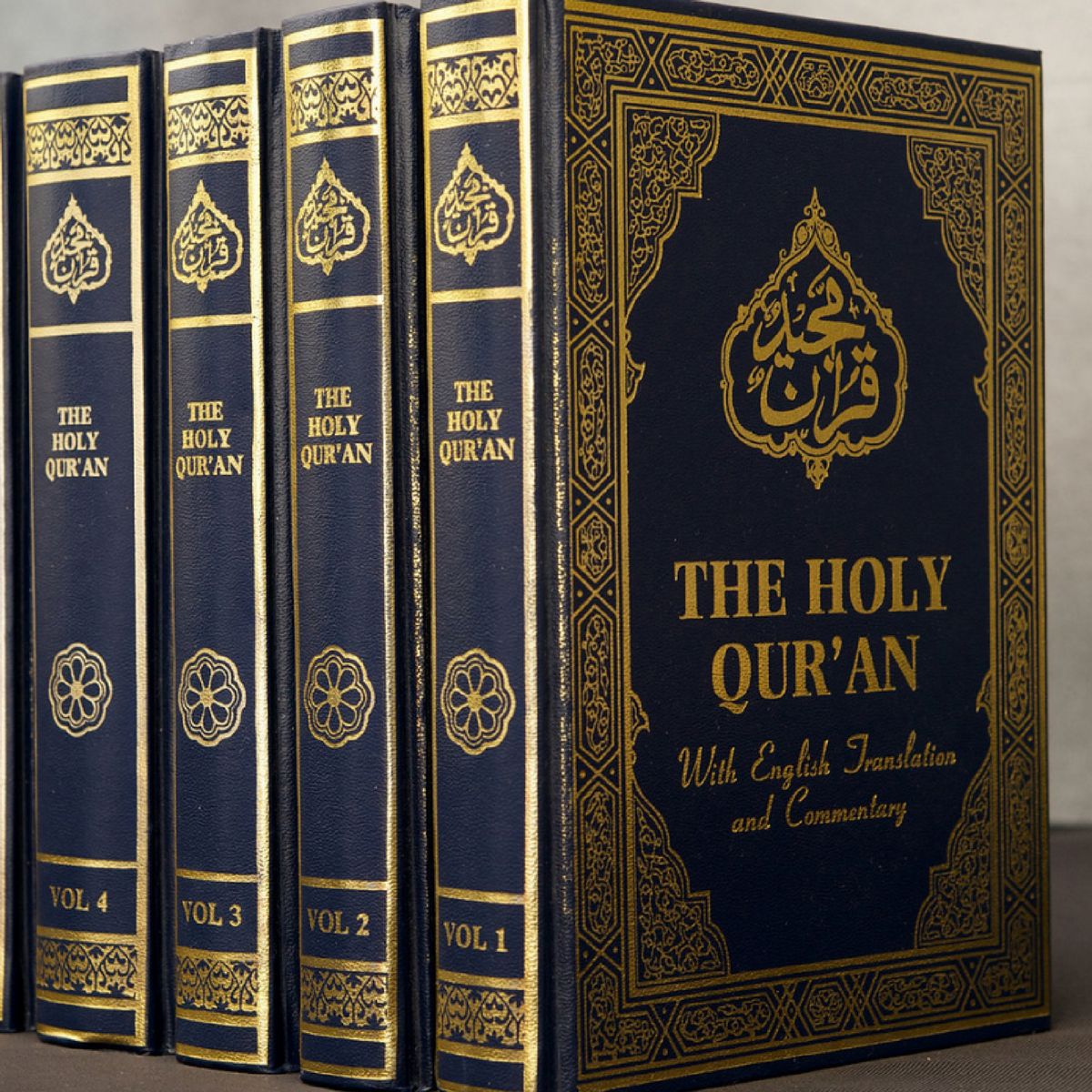
Islam’s holy book is The Holy Qur’an and this was revealed by Allah to Prophet Muhammad (peace and blessings be upon him). It is a source of complete guidance. Its teachings are in agreement with human nature. Islam is a religion revealed for the whole of mankind for all time to come.
THE FOUNDER OF ISLAM
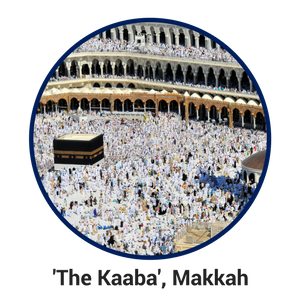
Prophet Muhammad(peace and blessings be upon him) (570-632 CE) was born in Makkah (Mecca), Arabia. He was known for his honesty and piety. He was also inspired with a strong love for Allah and mankind.
He married at the age of 25. Fifteen years later he received his first Qur’anic revelation from Allah whilst meditating in a cave called Hir’a near Makkah. This marked the beginning of the mission of Muhammad (peace and blessings be upon him) as the apostle of Allah. His prime message was the Unity of Allah and he continued to stress this throughout his life.
True to his character Prophet Muhammad (peace and blessings be upon him) practised what he preached and provided a living example of all that Islam teaches. His humility, truthfulness, tolerance, resolve, courage, kindness and wisdom remain exemplary.
For more on the Prophet Muhammad ( peace be upon him), see ‘ The Prophet Muhammad’
THE HOLY BOOK OF ISLAM
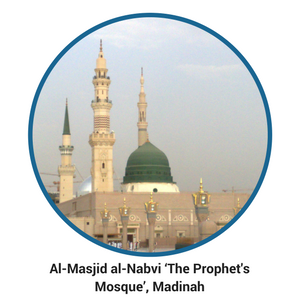
The Holy Qur’an is the holy book of Islam. It is the Word of Allah and was revealed to Prophet Muhammad (peace and blessings be upon him) over a period of 23 years. It is spread over 30 parts and has 114 chapters.
It contains a vast array of teachings and is a comprehensive code of conduct for mankind. It also contains numerous prophecies many of which have been fulfilled and many that remain to be fulfilled.
The Holy Qur’an is written in Arabic – the very language in which it was revealed. The word Qur’an means something that is recited over and over again and indeed Muslims recite the Holy Qur’an many times over in their lives. Despite being over 1400 years old the Qur’anic text has remained intact – as promised in the Qur’an by Allah Himself. The translation of the Holy Qur’an is now also available in more that 50 languages including English.
THE TEACHINGS OF ISLAM
Allah taught religion to the world gradually by sending His prophets at different times and to different peoples. Muslims are required to believe in and respect all prophets and their teachings. This religious guidance from Allah was completed and perfected through Islam.
The key teachings of Islam are known as the Five Pillars of Islam:
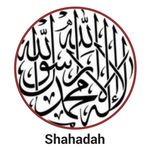
1. SHAHADAH (DECLARATION OF FAITH)
This is the declaration of one’s faith in the unity of Allah and acceptance of Prophet Muhammad (peace and blessings be upon him) as a messenger of Allah.
The meaning of the actual declaration is, “I bear witness that there is none worthy of worship except Allah and I bear witness that Muhammad is the Messenger of Allah” (‘Allah’ means One Who is free from all defects and possesses all kinds of good attributes.)
The Shahadah underscores the core Islamic beliefs in the unity and oneness of God, and the status of the the Holy Prophet Muhammad (peace and blessings of Allah be upon him) as the prophet to whom was revealed the perfect religious law for mankind.
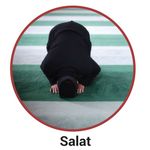
2. SALAT (PRAYER)
Muslims must offer the five daily prayers to develop and benefit from a personal relationship with Allah. The five daily prayers are:· Fajr – that is offered at dawn, before sunrise
· Zuhr – that is offered at the middle of the day, after the sun passes its highest point
· Asr – that is offered in the late part of the afternoon
· Maghrib – that is offered just after sunset
· Isha – that is offered between sunset and midnight
In Islam a Muslim prays directly to God and requires no intermediary, such as a priest, thus enabling each and every worshipper to develop a personal bond with their Creator.
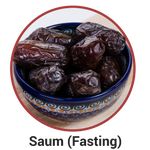
SAUM (FASTING)
Muslims must fast during the holy month of Ramadan, which is the ninth month of the Islamic calendar. Whilst fasting, Muslims cannot eat or drink between dawn and dusk.
Some people are exempted from fasting including the sick, pregnant or nursing mothers, young children and those on journeys. In some cases the missed fasts are made up by fasting on other days after the missed fast. During Ramadan Muslims make an extra effort to remember Allah and to seek His forgiveness and blessings.
Fasting is not only about avoiding food, as Muslims should also avoid all evil thoughts and deeds as well. This makes Ramadan a time of self-reflection and personal spiritual development.

ZAKAT (ALMS GIVING / CHARITY)
Muslims are required to give a fixed proportion of their wealth for the assistance of the poor and needy.
Zakat does not only refer to charitable gifts given out of kindness or generosity, but also to the systematic giving of 2.5% of one’s wealth each year to help the poor.
Muslims believe giving Zakat is a commandment from God which benefits the poor and helps the donor appreciate that all wealth is from Allah that is held in trust from Allah for the good of all mankind.
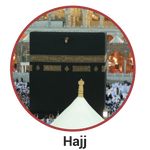
HAJJ (PILGRIMAGE TO MAKKAH)
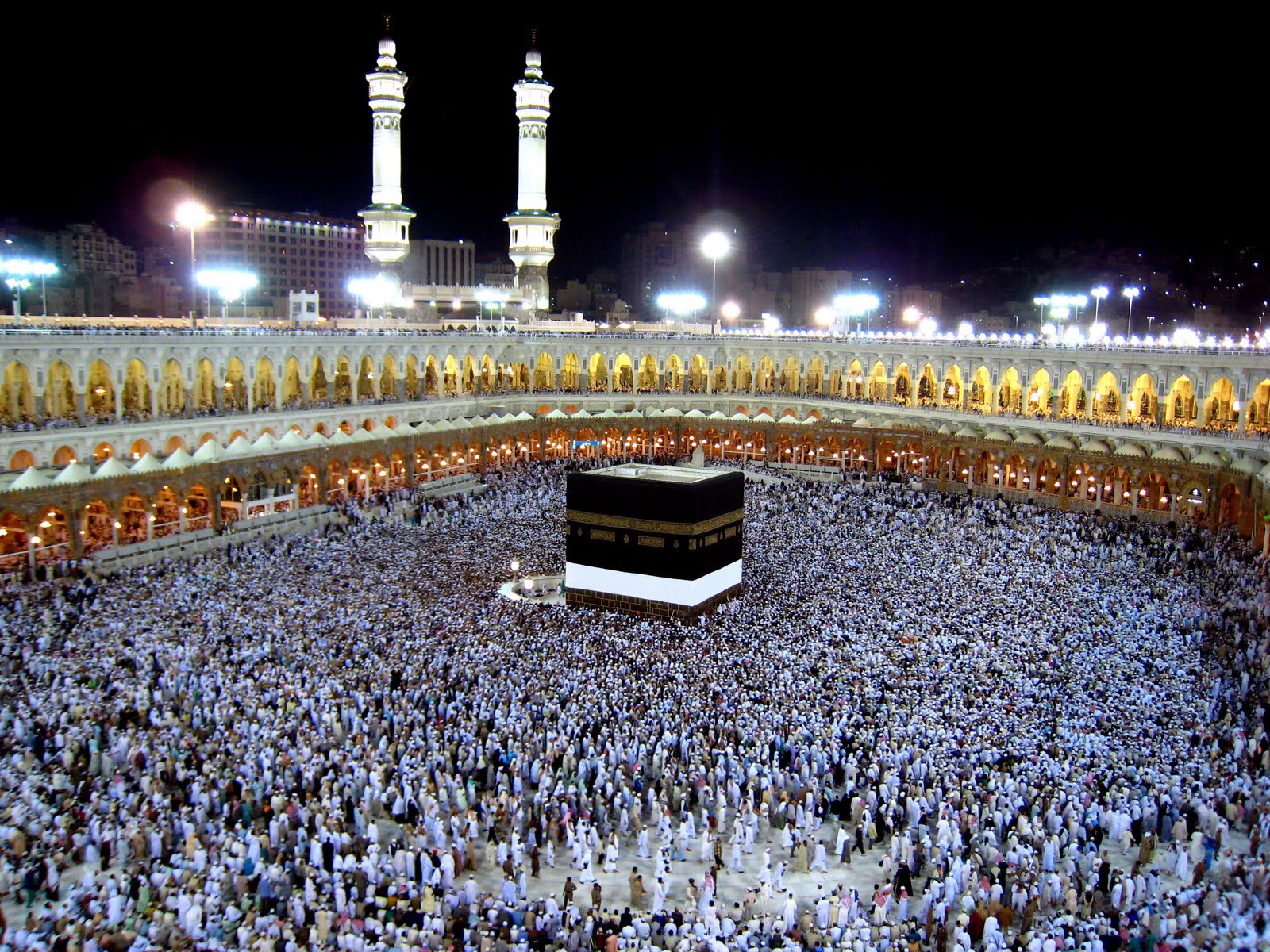
Muslims are obliged to make a pilgrimage to Makkah at least once in their lifetime if possible. This Pilgrimage is made during the month of Hajj, the twelfth lunar month of the Islamic calendar.
The Hajj is not merely visiting the holy city of Makkah, but is also partaking in several rites and rituals, such as circling the Kaabah and travelling between the mounts of Safa and Marwa in the tradition of Hazrat Hajira (the wife of Prophet Abraham, peace be on him) when she was searching for water for herself and Prophet Ismaeel when he was a baby.
The pilgrims enter a state of purity known as Ihram – for which they dress in a plain white cloth, that reflects the equality of all people before Allah.
KEY BELIEFS
Muslims also believe in all prophets of Allah, His angels, His holy books, life after death, the Day of Judgement and in the Divine Decree of Allah. Islam also emphasises that men and women are equal before Allah and only righteous deeds elevate one person above another.
Islam reinforces the concept of humanity and respect for individual liberty. It also reminds man of his fundamental human right of being free to choose his own religion. It is clearly stated in The Qur’an that there is no compulsion in religion (Holy Qur’an Ch.2 V.257).
Education is so important that Muslim men and women are encouraged to seek knowledge wherever it may be.
For more information about Islam see alislam.org/islam